Opossum Removal in Long Beach
Opossum Removal in Long Beach, CA
Opossum removal help for garages, crawl spaces, porches, sheds, pet-food areas, and suspected denning around homes. Call with the address, active area, signs, and whether the animal is inside the structure.
- Common areas
- crawl spaces, garages
- City signal
- April-November
- Quote
- Phone
- Next step
- Removal plan
For opossum problems in Long Beach, start by describing the location, how often it happens, and whether you have seen damage, droppings, odor, or a clear entry point.
Local conditions matter. Long Beach has older rooflines, chimneys, and vent openings that can give animals access, and seasonal activity often follows April-November activity around nesting, denning, and food sources.
Common signs
- Nocturnal movement near porch or garage
- Pet food disturbed overnight
- Droppings or odor in crawl space
Tell the provider
Species clues, active area, access details, pets in the home, urgency, and whether young animals may be present.
Long Beach (Los Angeles County) quote prep
Long Beach opossum calls go better when you note where it dens, what is drawing it in, and whether young may be present
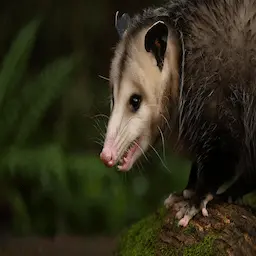
Around Long Beach and the Los Angeles basin, the animal is the Virginia opossum — North America’s only marsupial — a generally non-aggressive nocturnal visitor with notably low rabies risk that dens under decks, sheds, porches, and foundations and is drawn in by pet food, fallen fruit, and unsecured garbage. A female may be carrying young in her pouch, and California limits relocating trapped wildlife, so the provider needs the den location and attractants before quoting removal, sealing, and cleanup.
Say where you see it or its den — under a deck, shed, porch, or foundation, in a crawlspace, or out in the yard — and whether it is there now, since a passing yard opossum and one denned under the structure are different quotes.
Note the fixable attractants (pet food or water left out, fallen fruit, bird seed, open compost, unsecured trash) and mention any young you have seen; because opossums are generally non-aggressive and rarely carry rabies, this is usually eviction and exclusion rather than an emergency, though a mother carrying pouch young changes the timing and method.
Ask the provider to confirm lawful handling under California Department of Fish and Wildlife rules, which limit relocating trapped wildlife, and whether the quote covers sealing the den entry, removing waste and de-odorizing, and a follow-up check if activity returns.
Local diagnostic checklist
What changes opossum removal quotes in Long Beach
Entry areas to check
- Crawl spaces and porch gaps
- Garages and sheds
- Pet-food areas and trash zones
Plan questions
- Describe where activity happens overnight
- Remove the animal and check for denning areas
- Close access and remove attractants after the visit
Pricing factors
- Crawl-space or garage access
- Odor or droppings cleanup
- Closing porch or crawl-space gaps
Removal and exclusion
Questions for opossum quotes in Long Beach
Method
Ask what approach is legal and practical for opossum activity in your area.
Access
Confirm whether roof, attic, crawl-space, deck, shed, or yard access changes the visit.
Prevention
Ask whether sealing, guards, cleanup, or follow-up inspection is included or separate.
More local help
Other wildlife removal pages in Long Beach
Raccoon Removal
Help for raccoons in attics, chimneys, crawl spaces, sheds, and trash areas, with inspection, removal, and entry-point guidance.
Squirrel Removal
Squirrel removal help for attic noise, chewed fascia, roof returns, vents, wall voids, and recurring daytime activity.
Bat Removal
Bat exclusion help for colonies in attics, vents, shutters, gable gaps, and wall spaces, with timing and cleanup questions handled by local providers.
Bird Removal
Bird removal and exclusion help for nests in dryer vents, bathroom vents, gutters, signs, warehouse ledges, porch areas, solar panels, nuisance nesting spots, and access-sensitive buildings.
Get opossum removal help in Long Beach
Call now and describe the animal, where it is active, and what you are hearing or seeing. A local provider can confirm availability and next steps.