Armadillo Removal in Memphis
Armadillo Removal in Memphis, TN
Armadillo removal help for lawn digging, burrows near slabs, landscaping damage, and repeated nighttime activity. Call with the address, active area, signs, and whether the animal is inside the structure.
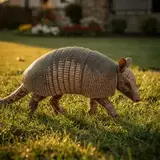
- Common areas
- lawns, landscape beds
- City signal
- March-November
- Quote
- Phone
- Next step
- Removal plan
For armadillo problems in Memphis, start by describing the location, how often it happens, and whether you have seen damage, droppings, odor, or a clear entry point.
Local conditions matter. Memphis has older rooflines, chimneys, and vent openings that can give animals access, and seasonal activity often follows March-November activity around nesting, denning, and food sources.
Common signs
- Cone-shaped holes in turf
- Burrow under slab or porch
- Nighttime digging across beds
Tell the provider
Species clues, active area, access details, pets in the home, urgency, and whether young animals may be present.
Memphis (Shelby County, TN) armadillo quote prep
A trapped Memphis armadillo can’t just be hauled off and released — Tennessee restricts moving live wildlife
Memphis is the seat of Shelby County, where the nine-banded armadillo has expanded across West Tennessee and digs burrows next to foundations, decks, patios, and slabs while rooting for grubs and insects. Two things shape the job: Tennessee restricts transporting and releasing live wildlife, so the lawful fix is on-site handling or a licensed operator rather than trap-and-relocate, and armadillos are hard to bait, so where they burrow matters more than a food lure.
Point to the active burrows and damage — openings against a foundation, deck, patio, or slab, multiple entrance holes, and cone-shaped yard or garden digging — since armadillos forage at night for grubs and insects and a single animal can leave several holes a one-time removal will not fix.
Know the rule before anyone promises to “relocate” it: a Tennessee landowner may address wildlife damaging their property (TCA 70-4-115), but the state makes it illegal to transport and release live wildlife without a permit (TCA 70-4-401 and 70-4-412), so the lawful route is on-site handling or a licensed Animal Damage Control operator working with the Tennessee Wildlife Resources Agency — not hauling the armadillo off to release it.
Ask how the quote combines trapping at active burrow entrances (armadillos rarely take bait) with exclusion such as a buried L-footer barrier along decks and foundations, and note the health angle: the nine-banded armadillo is the only non-human mammal known to carry the bacterium that causes Hansen’s disease (leprosy), so no one should handle one bare-handed — route any exposure questions to the Shelby County Health Department or the Tennessee Department of Health.
Local diagnostic checklist
What changes armadillo removal quotes in Memphis
Entry areas to check
- Lawns and landscape beds
- Slab edges and porches
- Moist soil areas with insects
Plan questions
- Map where digging is active
- Discuss trapping and legal options for the area
- Repair turf and reduce attractants after removal
Pricing factors
- Extent of lawn damage
- Burrow location
- Follow-up prevention and repair needs
Removal and exclusion
Questions for armadillo quotes in Memphis
Method
Ask what approach is legal and practical for armadillo activity in your area.
Access
Confirm whether roof, attic, crawl-space, deck, shed, or yard access changes the visit.
Prevention
Ask whether sealing, guards, cleanup, or follow-up inspection is included or separate.
More local help
Other wildlife removal pages in Memphis
Raccoon Removal
Help for raccoons in attics, chimneys, crawl spaces, sheds, and trash areas, with inspection, removal, and entry-point guidance.
Squirrel Removal
Squirrel removal help for attic noise, chewed fascia, roof returns, vents, wall voids, and recurring daytime activity.
Bat Removal
Bat exclusion help for colonies in attics, vents, shutters, gable gaps, and wall spaces, with timing and cleanup questions handled by local providers.
Bird Removal
Bird removal and exclusion help for nests in dryer vents, bathroom vents, gutters, signs, warehouse ledges, porch areas, solar panels, nuisance nesting spots, and access-sensitive buildings.
Get armadillo removal help in Memphis
Call now and describe the animal, where it is active, and what you are hearing or seeing. A local provider can confirm availability and next steps.