Fort Worth wildlife removal
Wildlife removal in Fort Worth, TX
Call for help with raccoons, squirrels, bats, birds, skunks, snakes, opossums, groundhogs, and other nuisance wildlife in Fort Worth. Start with the animal, active area, and visible entry points.
- Population
- 941,311
- Housing units
- 365,229
- Common issue
- Attic noise
- Season
- February-November
If you are still identifying the problem, the main local wildlife removal page explains inspection, removal, exclusion, and cleanup basics.
In Fort Worth, wildlife calls often involve dense neighborhoods where animals move between roofs, alleys, trees, and trash areas. Local timing can also shift with warm-weather activity across much of February-November.
Use the provider callback request if you prefer to be contacted instead of calling first.
| Common call | What to mention | Likely area |
|---|---|---|
| Raccoon | Scratching or thumping at night | attics, chimneys |
| Squirrel | Fast scratching during daylight | attics, rooflines |
| Groundhog | Large burrow openings | yards, gardens |
| Bat | Bats leaving near dusk | attics, gable vents |
Fort Worth (Tarrant County) wildlife quote prep
A Fort Worth “groundhog” usually isn’t one — and Texas bans relocating raccoons and skunks
Fort Worth is the seat of Tarrant County in the Dallas–Fort Worth metroplex, where raccoons, opossums, skunks, squirrels, and armadillos are the common structure and yard callers. Two things help scope a Fort Worth job: groundhogs are not naturally found here, so a burrowing-animal call is usually something else, and Texas law limits how a trapped animal can be handled — so describe the animal, the burrow or entry point, and the activity before quoting.
Groundhogs (woodchucks) are not naturally found around Fort Worth — the only Tarrant County record is a single released animal from 1964, hundreds of miles west of the species’ range — so a “groundhog” or burrowing-animal call here is usually an armadillo or another digger; describe the burrow (under a slab, deck, shed, or foundation) so the provider identifies the right species.
Texas makes it illegal to transport a live raccoon, skunk, fox, or coyote, and doing so is a Class C misdemeanor, so DIY catch-and-release is not lawful — the route is a licensed operator using one-way exclusion and sealing rather than relocation.
The Virginia opossum is common in DFW yards and dens under porches, decks, and sheds; it is highly resistant to rabies and a female may be carrying young in her pouch, so note whether you see active denning or just a passing animal so the quote matches the scope.
In Texas the animals most often found with rabies are skunks, bats, coyotes, and foxes, so keep pets and children back and report any bite or exposure to your local rabies-control authority; route nuisance-wildlife and relocation questions to the Texas Parks and Wildlife Department.
Species pages
Fort Worth wildlife removal by animal

Raccoon
Help for raccoons in attics, chimneys, crawl spaces, sheds, and trash areas, with inspection, removal, and entry-point guidance.

Squirrel
Squirrel removal help for attic noise, chewed fascia, roof returns, vents, wall voids, and recurring daytime activity.

Bat
Bat exclusion help for colonies in attics, vents, shutters, gable gaps, and wall spaces, with timing and cleanup questions handled by local providers.

Bird
Bird removal and exclusion help for nests in dryer vents, bathroom vents, gutters, signs, warehouse ledges, porch areas, solar panels, nuisance nesting spots, and access-sensitive buildings.

Skunk
Skunk trapping and exclusion help for sheds, decks, crawl spaces, garages, and burrowed areas where odor or pet encounters are a concern.

Groundhog
Groundhog and woodchuck removal help for burrows near foundations, gardens, sheds, patios, and retaining walls.
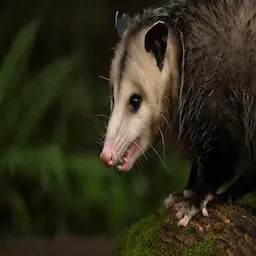
Opossum
Opossum removal help for garages, crawl spaces, porches, sheds, pet-food areas, and suspected denning around homes.

Snake
Snake removal help for garages, basements, yards, sheds, pools, and exterior gaps, including urgent situations where species identification matters.
Cleanup and exclusion
Specialty wildlife help in Fort Worth
Some calls are not just animal identification. Odor, guano, blocked vents, attic contamination, and repeat entry often need cleanup or exclusion questions before booking.
Dead Animal Removal
Dead animal removal help for odor in attics, walls, crawl spaces, vents, sheds, and exterior gaps, with cleanup and prevention questions.
Wildlife Exclusion
Wildlife exclusion help for sealing roofline gaps, vents, chimneys, crawl spaces, decks, sheds, and recurring animal entry points.
Attic Cleanup After Wildlife
Cleanup help after wildlife in an attic, including droppings, nesting material, odor, damaged insulation, and sanitation questions.
Bat Guano Cleanup
Bat guano cleanup help for attics, vents, wall gaps, odor, sanitation, insulation review, and post-exclusion sealing questions.
Birds in Vents
Bird-in-vent help for dryer vents, bathroom vents, kitchen exhaust, gable vents, chimneys, nesting material, airflow, guards, and property-access details.
Local request details
Before you book in Fort Worth
Wildlife Pros Now connects callers with wildlife removal providers. The local provider confirms final availability, service method, pricing, legal restrictions, cleanup needs, and exclusion options before you book.
Confirm the species
Share what you saw, what you heard, the time of day, and whether there are droppings, odor, nesting material, or visible damage.
Identify access
Mention attic access, roof height, crawl-space doors, deck openings, chimneys, vents, sheds, or locked gates.
Ask about prevention
Removal alone may not stop the problem. Ask whether exclusion, one-way doors, sealing, sanitation, or repair referrals are part of the plan.
Nearby wildlife removal pages
Need wildlife help in Fort Worth?
Call now and describe the animal, where it is active, and what you are hearing or seeing. A local provider can confirm availability and next steps.