Bat Removal in Hampton
Bat Removal in Hampton, VA
Bat exclusion help for colonies in attics, vents, shutters, gable gaps, and wall spaces, with timing and cleanup questions handled by local providers. Call with the address, active area, signs, and whether the animal is inside the structure.
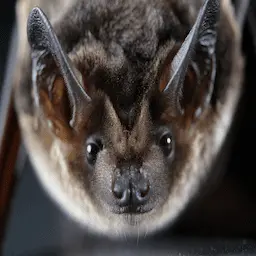
- Common areas
- attics, gable vents
- City signal
- April-October
- Quote
- Phone
- Next step
- Removal plan
For bat problems in Hampton, start by describing the location, how often it happens, and whether you have seen damage, droppings, odor, or a clear entry point.
Local conditions matter. Hampton has older rooflines, chimneys, and vent openings that can give animals access, and seasonal activity often follows April-October activity around nesting, denning, and food sources.
Common signs
- Bats leaving near dusk
- Staining around small roofline gaps
- Guano under an entry point
Tell the provider
Species clues, active area, access details, pets in the home, urgency, and whether young animals may be present.
Hampton (Hampton Roads) bat quote prep
A bat “exterminator” isn’t lawful in Hampton — bats are protected and can only be excluded
Hampton sits in the Hampton Roads/Tidewater region of coastal Virginia, where colony bats slip into attics, gable vents, and gaps under shingles and flashing. Timing controls the job: Virginia protects bats and bars sealing them out during the summer maternity season, so the provider needs to know where they are getting in — and when — before quoting a lawful one-way exclusion.
Bats cannot be exterminated in Virginia — they are protected and there is no legal poison or pesticide for them; the correct, effective method is a one-way exclusion device that lets bats leave but not return, followed by sealing every entry point after the colony is out.
Timing matters: the Virginia Department of Wildlife Resources prohibits excluding a maternity colony from May 15 through August 31, when flightless pups are in the roost, so the lawful windows are before bats arrive in spring or after the young can fly in late summer and fall — ask your provider to confirm timing that follows the state restriction.
Say where you see or hear them — an attic, a ridge or gable vent, a dormer, or gaps where the soffit or siding meet — since the big brown bat, little brown bat, evening bat, and Brazilian (Mexican) free-tailed bat are the species most likely to roost in Hampton Roads buildings, and pinpointing the exit points is what the exclusion depends on.
If a bat is found indoors with a sleeping person or a pet, the Virginia Department of Health recommends capturing the bat and having it tested for rabies rather than releasing it, so call your local health department; accumulated guano can carry histoplasmosis, so ask whether the quote includes professional cleanup, and route nuisance-bat questions to the Virginia Department of Wildlife Resources.
Local diagnostic checklist
What changes bat removal quotes in Hampton
Entry areas to check
- Gable vents and ridge gaps
- Chimneys, shutters, and fascia seams
- Small openings around attics or wall voids
Plan questions
- Confirm local timing rules before work starts
- Use exclusion devices so bats can leave without re-entering
- Seal secondary gaps after the exclusion period
Pricing factors
- Colony size and building height
- Seasonal restrictions and exclusion timing
- Guano cleanup, sanitation, and insulation review
Removal and exclusion
Questions for bat quotes in Hampton
Method
Ask what approach is legal and practical for bat activity in your area.
Access
Confirm whether roof, attic, crawl-space, deck, shed, or yard access changes the visit.
Prevention
Ask whether sealing, guards, cleanup, or follow-up inspection is included or separate.
More local help
Other wildlife removal pages in Hampton
Raccoon Removal
Help for raccoons in attics, chimneys, crawl spaces, sheds, and trash areas, with inspection, removal, and entry-point guidance.
Squirrel Removal
Squirrel removal help for attic noise, chewed fascia, roof returns, vents, wall voids, and recurring daytime activity.
Bird Removal
Bird removal and exclusion help for nests in dryer vents, bathroom vents, gutters, signs, warehouse ledges, porch areas, solar panels, nuisance nesting spots, and access-sensitive buildings.
Skunk Removal
Skunk trapping and exclusion help for sheds, decks, crawl spaces, garages, and burrowed areas where odor or pet encounters are a concern.
Get bat removal help in Hampton
Call now and describe the animal, where it is active, and what you are hearing or seeing. A local provider can confirm availability and next steps.